Featured
Table of Contents
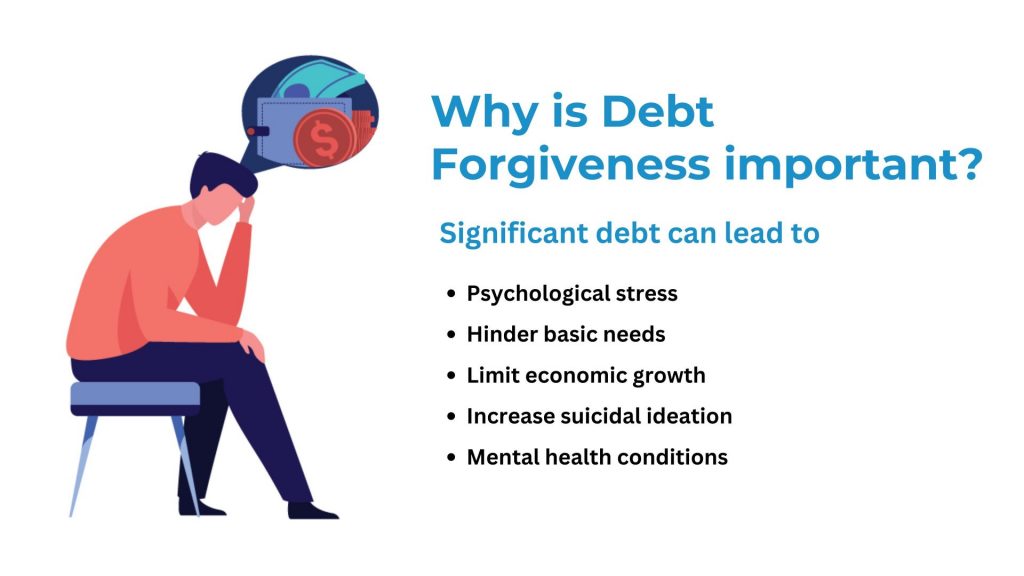
That frees up money in the short term, and you may have 3 to 4 years to save toward the negotiation quantity. Very dangerous to credit history, mostly due to missed settlements and an unfavorable "settled" mark that might remain on your credit scores report for approximately 7 yearsMay be only choice if other choices (financial obligation consolidation, balance transfer credit rating cards, debt forgiveness) aren't possibleTypically calls for a cost to the third party, which can counter some or all of the cost savings from financial obligation settlementMay help you prevent bankruptcy if you have actually missed out on a number of paymentsNot all financial institutions deal with debt settlement companies Debt forgiveness might be right for you if you are experiencing a financial hardship that makes it nearly difficult to pay down your debt balances.
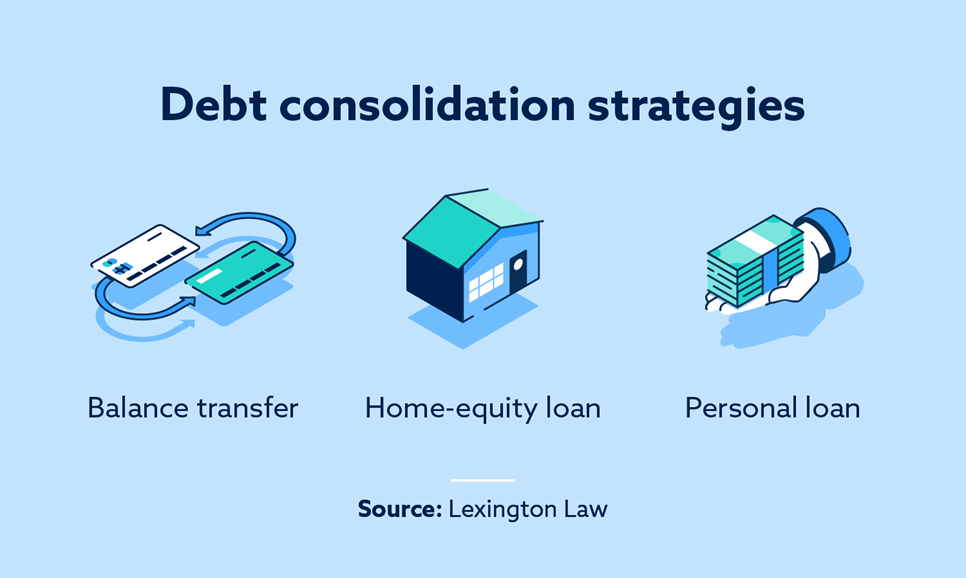
With a DMP, you make one regular monthly repayment to the debt therapy firm. Those funds are after that distributed to lenders of your unsafe debts, such as credit report cards and installment fundings. The agency deals with your financial institutions to minimize rate of interest or waive costs, however some lenders might decline such concessions.
It can help you pay down debt if you're able to safeguard a funding price that's lower than the average rate of the accounts you're settling. You must avoid from racking up debt on those newly gotten rid of accounts or your debt can expand also greater.
These cards typically use a 0% passion introductory period of approximately 21 months. That gives you a lot of time to remove or substantially reduce your balance while making interest-free settlements. For some individuals dealing with overwhelming financial debt, insolvency might be the only way to stop collection proceedings and legitimately settle their financial obligations.
How to Never Return to the Previous Mistakes After Your Fresh Start for Beginners
You may need it if your financial institution or a collection company ever attempts to accumulate on the debt in the future. When a lender forgives $600 or more, they are required to send you Form 1099-C.
Financial debt forgiveness or settlement almost always harms your credit history. Anytime you resolve a debt for much less than you owe, it might appear as "resolved" on your credit report and affect your credit rating for seven years from the date of negotiation. Your credit can likewise go down considerably in the months causing the mercy if you fall behind on settlements.
The Only Guide to Developing Your Debt Relief Plan
This scenario usually results from underreporting revenue, not submitting returns on time, or discrepancies found during an IRS audit. The repercussions of gathering tax financial debt are severe and can consist of tax liens, which provide the Internal revenue service a legal claim to your property as security for the debt.
Wages and Bank Accounts Internal revenue service can levy (seize) salaries and financial institution accounts to please the financial obligation. Residential or commercial property Seizure In severe situations, the Internal revenue service can seize and market building to cover the financial debt.
Clinical depression, anxiety, and various other psychological health problems. Social Preconception Facing legal activity from the IRS can bring social preconception. Damage to reputation and relationships. Employment Opportunities An inadequate credit history due to exhaust debt can limit job opportunity. Problem searching for or keeping a work. Federal government Benefits Tax debt may impact eligibility for federal government benefits, such as Social Safety and Medicaid.
About Your Introduction to Financial counseling for veterans in Washington state who struggle with high housing costs and What to Ask
The OIC considers a number of variables, including the taxpayer's income, costs, property equity, and capability to pay. Successfully discussing an OIC can be intricate, needing a comprehensive understanding of the internal revenue service's guidelines and a strong disagreement for why your offer lines up with your ability to pay. It is essential to note that not all applications are approved, and the process calls for detailed monetary disclosure.
The IRS examines your total financial situation, including your revenue, expenses, possession equity, and capacity to pay. You have to likewise be present with all declaring and repayment needs and not remain in an open bankruptcy case. The internal revenue service likewise considers your compliance history, reviewing whether you have a document of timely filing and paying tax obligations in previous years.
The 30-Second Trick For Continued Support and Group Resources
The application procedure for a Deal in Compromise involves several detailed actions. You have to complete and send Internal revenue service Type 656, the Offer in Compromise application, and Form 433-A (OIC), a collection info declaration for individuals. These forms require thorough economic information, including details about your income, financial debts, expenses, and possessions.
Back taxes, which are unpaid tax obligations from previous years, can significantly enhance your total IRS debt if not attended to quickly. This financial debt can accumulate passion and late repayment fines, making the initial amount owed a lot larger over time. Failure to repay tax obligations can result in the IRS taking enforcement actions, such as releasing a tax lien or levy against your building.
It is necessary to resolve back taxes asap, either by paying the full amount owed or by preparing a payment plan with the IRS. By taking aggressive actions, you can prevent the buildup of extra interest and penalties, and protect against a lot more hostile collection activities by the IRS.
One typical factor is the idea that the taxpayer can pay the complete amount either as a round figure or through a layaway plan. The IRS likewise takes into consideration the taxpayer's earnings, expenses, possession equity, and future earning potential. If these variables suggest that the taxpayer can pay for to pay greater than the offered amount, the IRS is likely to decline the offer.
New Laws That Could Change Financial counseling for veterans in Washington state who struggle with high housing costs Availability Can Be Fun For Everyone
Dealing with IRS financial obligation can be intricate and challenging. Tax experts, such as CPAs, tax obligation attorneys, or enrolled agents, can supply indispensable support.

Table of Contents
Latest Posts
Creating a Personalized Financial Recovery Strategy Fundamentals Explained
The 20-Second Trick For What to Expect Throughout the Debt Forgiveness Experience
Some Ideas on Your Rights You Should Know
More
Latest Posts
Creating a Personalized Financial Recovery Strategy Fundamentals Explained
The 20-Second Trick For What to Expect Throughout the Debt Forgiveness Experience
Some Ideas on Your Rights You Should Know